Rapid Help
Smarter Hot Water System Installations
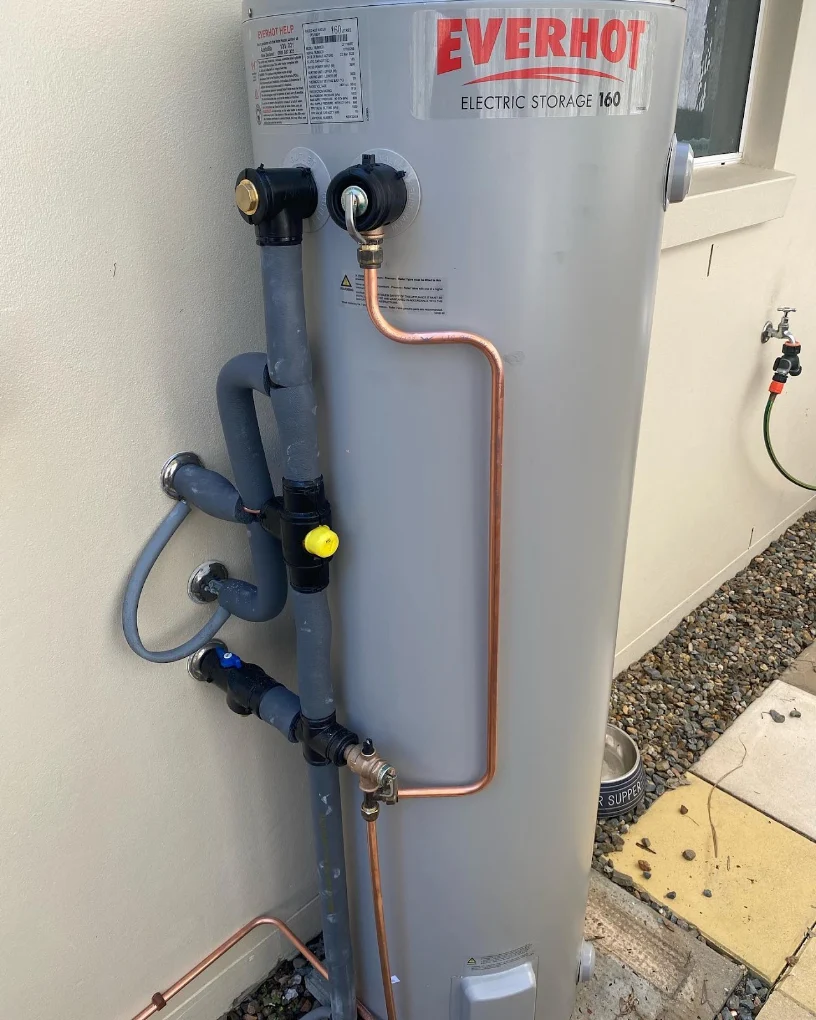
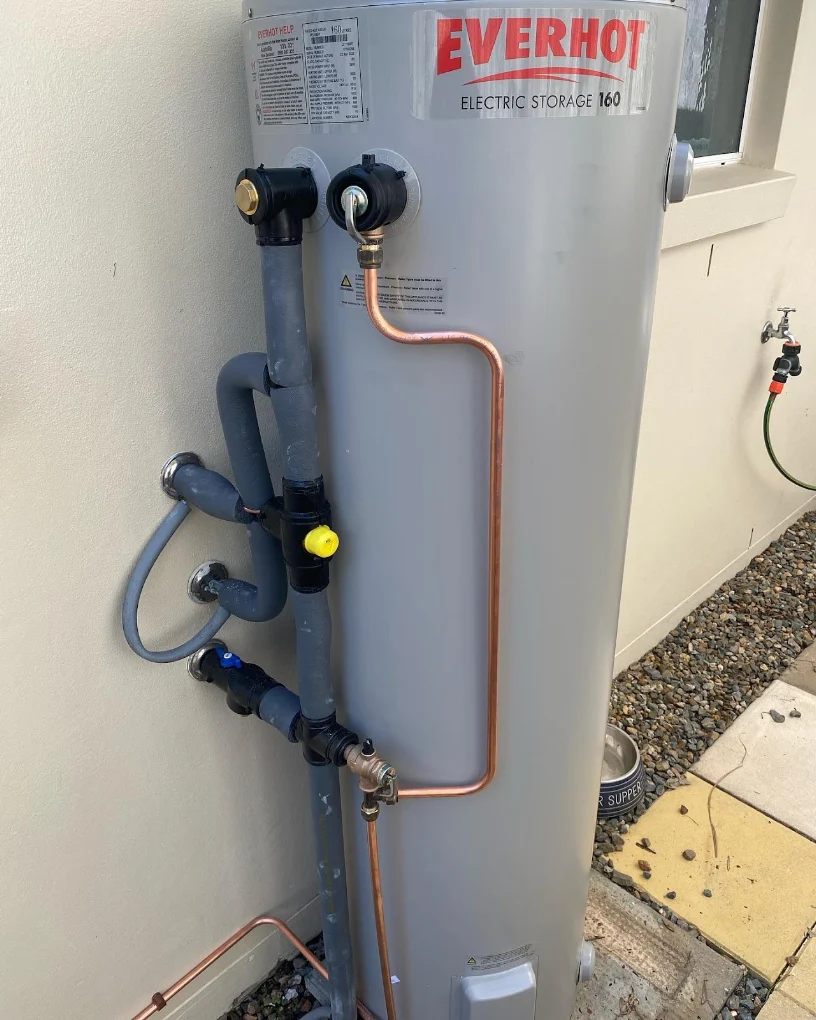
Heat pump hot water can cut energy use by up to 65% compared with old electric storage tanks, which is great for bills and the planet. At C’s Plumbing & Gas Gold Coast, we install hot water systems that match real-world demand.
You’ll get tidy pipework, thermal insulation and commissioning backed by clear guidance on maintenance. We also replace failed units fast to minimise downtime for homes, rentals and small businesses across the Gold Coast. For emergencies, we can isolate, make safe and provide temporary hot water options to keep life moving. Reach out on 0405 275 741.
Get a Free Quote
Contact Us
Thank you for contacting C’s Plumbing & Gas Gold Coast.
We will get back to you as soon as possible.
Oops, there was an error sending your message.
Please try again later.
Frequently Asked Questions
Gas, electric or heat pump: which is best?
Each suits different homes. Gas continuous-flow delivers endless hot water with compact wall units and high efficiency, but needs compliant gas supply and flueing. Electric storage is simple and cost-effective to buy, and pairs well with off-peak tariffs or solar, though it takes space. Heat pumps extract ambient heat to slash running costs and emissions, excel in warm climates and can run on timers, but require airflow and produce some operating noise. Compare lifetime cost, not just purchase price.
Do heat pump hot water systems work well in humid coastal climates?
Yes. Modern heat pump hot water systems thrive in warm, humid air. They draw heat from surrounding air, which boosts efficiency and shortens recovery times.
Correct clearances, anti-vibration pads and good airflow help performance and keep noise down. A sheltered spot out of prevailing winds helps too.
How loud are heat pump hot water systems near bedrooms?
Typical units sit around 40–55 dB at one metre, like a quiet fridge. Placement matters more than spec sheets. Put the unit on rubber feet, avoid wall corners that amplify vibration and face the fan away from sleeping areas. A basic acoustic screen can drop perceived noise further.
Detailed Steps
Engineered For Long-Term Performance
We begin with load calculations, water quality checks and site access planning. Next, we select the right cylinder or continuous-flow unit — gas, electric or heat pump — based on recovery needs, roof space, noise limits and tariff options.
We install isolation valves, tempering valves, pressure limiting, expansion control and correct flueing or condensate routing. All joints are pressure-tested, lines insulated and temperature set for safe delivery. We photograph critical stages for your records and register warranties on the spot.